
Engine Temperature Sensors
Out of stock

Out of stock
Out of stock
Out of stock
Out of stock
Out of stock
Out of stock
Out of stock
Out of stock
Out of stock
Engine Temperature Sensors (ECTS) - Precision Measurement and Overheat Protection
Proper thermal management of the engine is fundamental to its durability and efficiency. Modern cars are advanced machines with numerous sensors monitoring combustion and cooling processes. In this category, you will find key components such as engine temperature sensors - including coolant, oil, and exhaust gas variants. These small yet crucial parts constantly communicate with the vehicle's control unit (ECU), ensuring optimal working conditions, low fuel consumption, and protection against overheating. EuroFrance stocks new sensors from manufacturers like Valeo, Magneti Marelli, and Continental for popular models including the Renault Megane 4, Peugeot Boxer 2006, and Dacia Duster - with prices starting from $10.16.
Why buy engine temperature sensors at EuroFrance?
- Parts can be matched by vehicle VIN (body number) for correct fitment.
- We'll help you find the right part by original part number (OE).
- 12-month warranty for new engine temperature sensors
- 30-day warranty for used sensors
- 25+ years of experience
- Trusted supplier of parts for French car brands.
What Does the ECTS System Do and How Does a Coolant Temperature Sensor Work?
Many drivers wonder how the onboard computer selects the ideal fuel-air mixture. The key is the ECTS (Engine Coolant Temperature Sensor) system. Its main task is to measure the temperature of the coolant circulating in the cooling system. This information signals the engine control unit, which decides whether to enrich the mixture during cold starts or activate the radiator fan when the engine runs too hot.
A precise coolant temperature sensor ensures that the engine operates within its optimal thermal range, directly affecting performance and longevity.
Types of Temperature Sensors in Modern Vehicles
While cooling is the first thing that comes to mind, the sensor network in a modern car is far more extensive. EuroFrance offers a variety of sensor types that serve different functions:
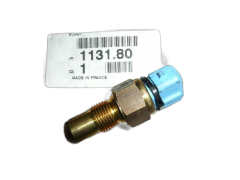
Coolant temperature sensor - the most common component, often referred to by mechanics as the water temperature sensor. Its failure is the most frequent cause of overheating issues in vehicles like the Renault Scenic 3 or Kangoo 2.
Oil temperature sensor - essential in performance cars and those under heavy loads. It monitors the lubricant temperature, which is key to maintaining the protective oil film that safeguards bearings and pistons.
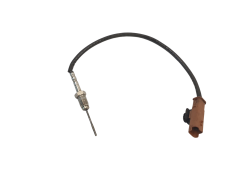
Exhaust gas temperature sensor - critical in modern diesels and turbocharged petrol engines. It protects the turbocharger from overheating and supports DPF/FAP filter regeneration.
Each of these - from a standard coolant sensor to an advanced exhaust gas unit - must deliver high precision and withstand extreme operating conditions. You can filter our catalogue by brand (including Citroën, Peugeot, Nissan, Fiat, and Volkswagen), model, manufacturer, or technical condition to find the exact match for your vehicle.
What Are the Symptoms of a Faulty Engine Temperature Sensor?
Identifying sensor failure is not always straightforward, but several symptoms should alert you. If the ECT sensor fails, the engine control unit may receive incorrect data - for example, reading the engine as cold when it has already reached operating temperature.
The most common symptoms include:
Increased fuel consumption - the engine continuously runs on a rich mixture.
Starting issues - especially with a warm engine.
Fluctuating idle speed - unstable operation at idle.
The dashboard temperature gauge stays low or enters the red zone.
The "Check Engine" warning light illuminates.
Ignoring these signals can lead to serious damage. A faulty temperature sensor can, in extreme cases, cause the engine to overheat and crack the cylinder head, making prompt diagnosis and replacement essential.
Where Is the CTS Located and How to Choose the Right One?
The sensor's location depends on engine design, but the CTS (Coolant Temperature Sensor) is typically mounted in the engine block, cylinder head, or near the thermostat - where coolant flow provides the most accurate reading.
When selecting a replacement, matching it to your specific car model and VIN is critical. Sensors can differ in the number of pins (contacts), thread size, and resistance characteristics. Installing an incompatible component - even if it physically fits the socket - will result in incorrect dashboard readings and improper fan operation. Our team can help you verify compatibility using the OE part number.
Reliable Temperature Sensors at EuroFrance
At EuroFrance, we understand that a well-functioning thermal control system is vital for your car's health. That is why we offer a broad selection of new engine temperature sensors from trusted manufacturers such as Valeo, PSA, Borsehung, and Q Plus+. Used sensors are also available as a budget-friendly alternative.
Whether you need a coolant sensor for a Renault Trafic 3, an exhaust gas sensor for a Citroën Jumper 2006, or an oil temperature sensor for a Dacia Captur - you can browse by brand, model, or manufacturer to find the right fit. Don't risk engine overheating or excessive fuel consumption. Verify part availability by part number, or consult our experts who will help you choose the perfect sensor for your vehicle.